Transforming workplaces through menopause awareness, leadership, and human-centred support
Pause Effect helps organisations build the awareness, confidence and practical capability to support menopause and women’s health at work. The aim is not simply to run an awareness session. It is to help organisations understand where they are now, strengthen the people who hold workplace conversations, support women themselves and identify practical next steps.
Torild works with companies globally and can adapt delivery to the workforce, sector, geography, existing level of awareness and organisational priorities.
Current workplace context + employee wellbeing support
Workplace expectations are evolving. ISO 45010:2026 - Occupational health and safety management - Menstruation and menopause in the workplace - Guidance - provides international guidance for organisations on supportive workplace policies and practices, manager awareness and training, practical adjustments, workplace design, supportive culture, and measurement and evaluation. Pause Effect can help organisations translate this wider good-practice context into practical workplace action.
Company-Wide Menopause Webinar
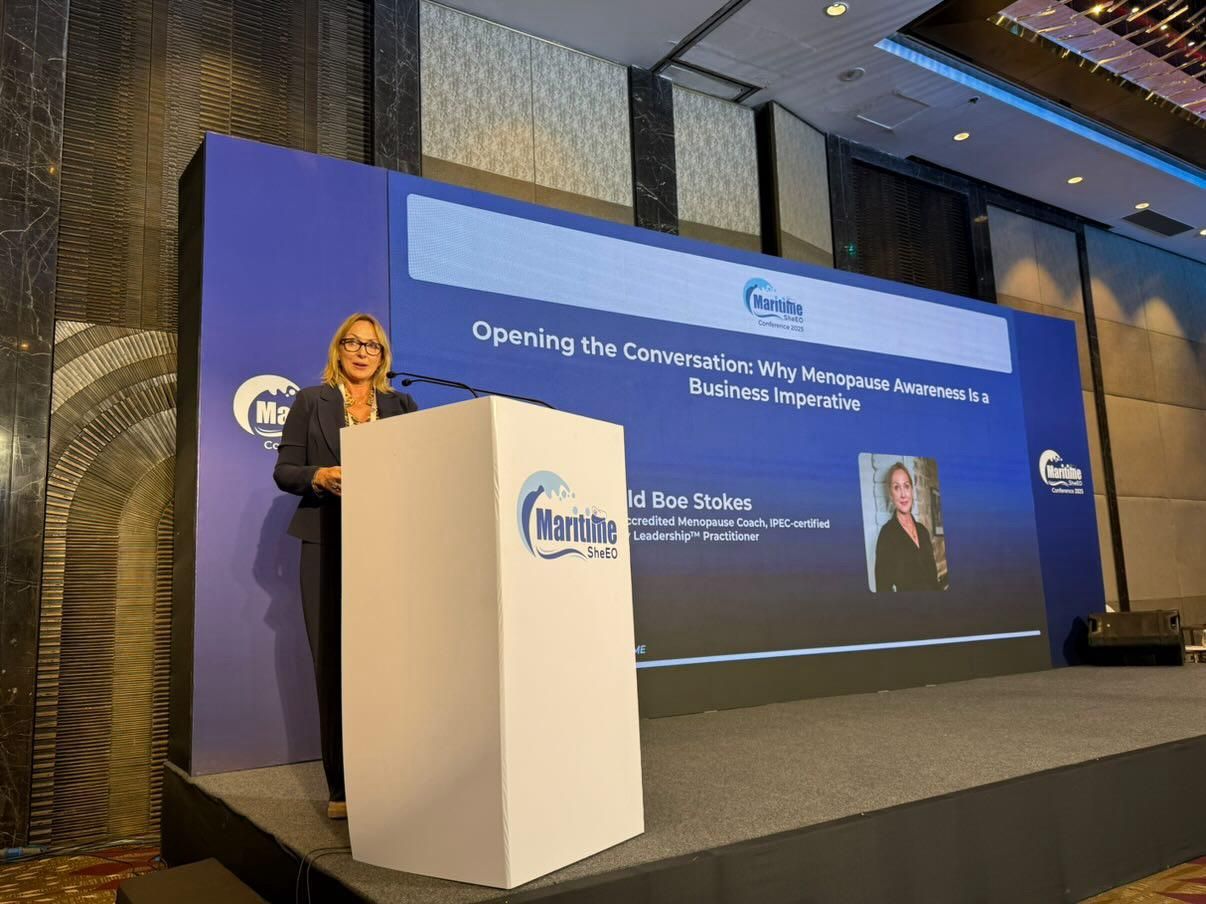
An engaging, practical session that builds understanding of perimenopause and menopause, how symptoms can affect people at work, why experiences vary, and how colleagues and workplace culture can provide appropriate support. Sessions reduce stigma, create a shared language and signpost people towards further information and support.
Discuss Training for Your Organisation
Manager Training
Managers do not need to become medical experts. They do need the confidence to listen, understand workplace impact, explore appropriate adjustments, protect privacy and know when HR, Occupational Health or another support route should be involved. Training focuses on turning policy and good intentions into respectful day-to-day conversations and action.
Discuss Manager TrainingHR, Leadership & Occupational Health training
Role-specific sessions go beyond general awareness. For HR and leadership, this can include culture, policy-to-practice, manager capability, communication, employee experience, retention, organisational priorities and how progress is reviewed. For Occupational Health, the emphasis is workplace function, impact, adjustments, safety-critical considerations and collaborative support - not diagnosis or treatment.
Discuss HR, Leadership & Occupational Health TrainingCorporate webinars
Live online education for organisations with teams across locations and time zones. Content can be adapted to the audience, from broad awareness to focused sessions on workplace conversations, sleep, mental load, confidence and practical support.
Discuss a Corporate WebinarOrganisational readiness & consultancy
Use the Workplace Menopause Readiness Assessment and Strategic Readiness Review to understand what already exists, where the gaps are and what action should be prioritised. This can include leadership, policy and guidance, manager capability, communication, support pathways, employee experience and practical workplace considerations.
The assessment is an indicative organisational self-assessment and conversation starter. Do not describe it as certification, legal compliance or an externally validated audit.
Take the Readiness AssessmentWomen’s Wellbeing Programme
Incorporating The Menopause Plan
Training supports the organisation. The Women’s Wellbeing Programme supports the women within it. Employers can add an eight-week small-group programme incorporating The Menopause Plan as a practical follow-on to awareness and role-specific training.
The programme recognises that menopause is not one experience. Women may be navigating hormonal change alongside demanding work, family life, caring responsibilities, changing confidence, sleep disruption, mental load and other pressures. The framework creates space to understand the whole picture and identify small, realistic changes that fit real life.
The programme can explore sleep and recovery, food and hydration, movement and strength, mindset and emotional wellbeing, routines and self-care, boundaries and support, and a sustainable way forward.
In a recent cohort, the average self-reported sleep score improved by 60% over the eight-week programme.
Discuss a Women’s Wellbeing Programme for Your Organisation
Based on pre- and post-programme self-reported scores from a recent cohort. Individual outcomes will vary.
Readiness journey + calls to action
Assess your organisation against recognised workplace good practice, leadership expectations and evolving workplace standards. Receive an indicative readiness score, identify strengths and gaps and use the result to start a practical organisational conversation.
Check your score here