
The Mind That Won't Stop: What 200 Women Told Me About Overthinking, Sleep and Self-Doubt
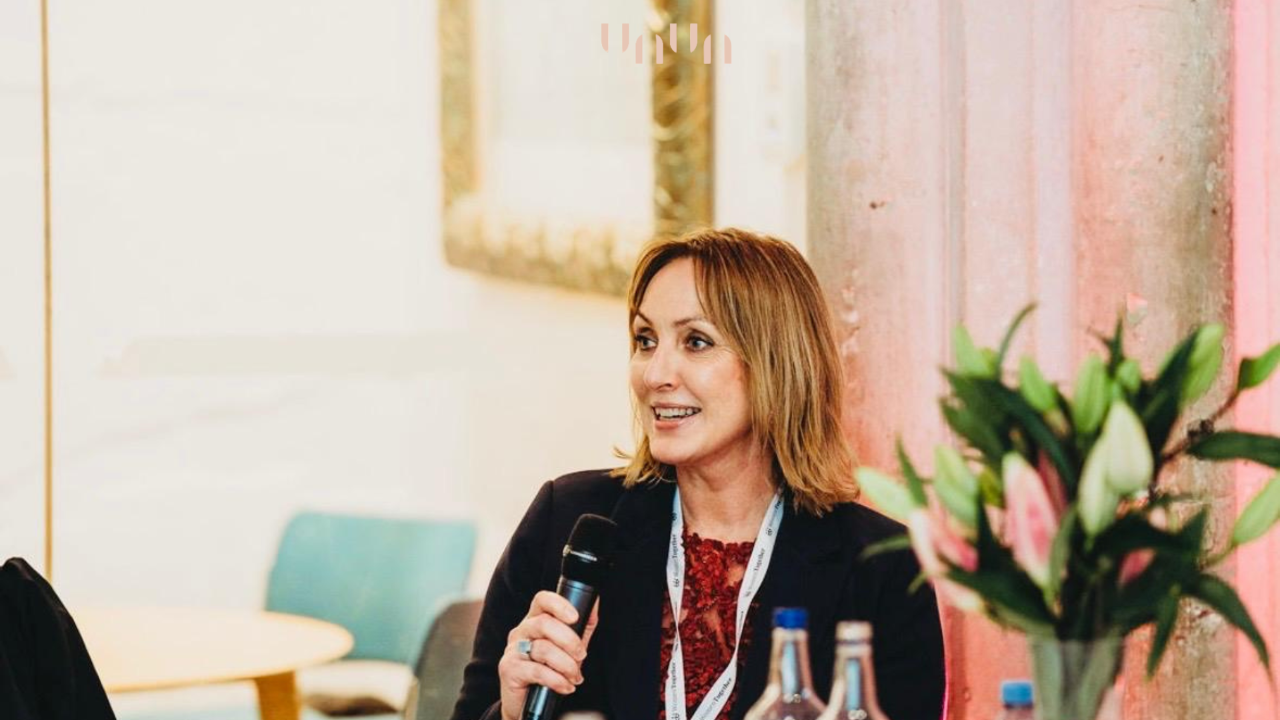
Over the past few months, I've surveyed more than 200 women across different organisations, roles, and life stages.
I didn't set out to find a pattern, but (unsurprisingly perhaps), the same themes kept coming up regardless of seniority or sector.
Sleep was broken, minds felt overloaded - and beneath it all, women were quietly questioning themselves while continuing to perform.
What the numbers actually say
Across multiple surveys, 54% of women named sleep and recovery as their biggest energy drain. Mental overload and overthinking came second, named by 46%.
In a separate survey focused specifically on women at work, 67% said hormonal changes were affecting their working day. The top reported symptoms were sleep disruption and difficulty concentrating.
In both datasets, the same coping strategy dominated:
Push through. Keep going. Don't say anything.
In one survey, 41% said their default under pressure is to push through and cope. In another, the majority had not taken a single sick day, despite two thirds reporting that their ability to work was being affected.
These women aren't struggling because they lack resilience. They're struggling because they have so much of it. And they work in your organisations. We often hear the saying “It starts with awareness”, and when it comes to menopause nothing could be more true.
What women actually said
Behind the statistics are the words women wrote down when they were finally given space to be honest. I've rewritten them slightly to protect privacy, but the meaning is unchanged.
"The cognitive fog was the hardest part. When you can't remember things you know you know, you start questioning whether you ever knew them at all."
"It wasn't just that tasks felt harder. I started wondering if I was still capable."
"There's this feeling of slowly losing yourself. Not dramatically. Quietly. A drift away from who you used to be."
"I'd always managed this. But something shifted, and suddenly it was a different scale entirely."
"The tiredness that doesn't lift, even after rest. That's the one that's hardest to explain."
Most of their managers had no idea.
Why this matters more than we think
For many women, perimenopause doesn't introduce a new problem. It removes the buffer they didn't know they were relying on.
Oestrogen and progesterone play a direct role in sleep quality, mood regulation, stress tolerance, and cognitive clarity. When those hormones begin to fluctuate, often from the late thirties onwards - the systems that once helped women absorb pressure start to feel less reliable.
What used to be manageable at 35 can feel relentless at 44.
The mental load hasn't necessarily increased, but the energy required to carry it has, and most women don't have a language for that shift so they interpret it as personal failure.
The question worth sitting with
Someone I respect recently offered a reframe I haven't stopped thinking about. She wasn't speaking about women's health, but it stayed with me because of what I see in these surveys.
She said: "Stop asking why it isn't working. Start asking what part of you still feels safer without it."
Applied here:
Stop asking: "Why can't I switch off?" Start asking: "What part of me still believes I have to earn my rest?"
Because for many women, especially in midlife, busyness has become an identity.
Being "on" feels like responsibility. Pausing feels like falling behind.
Across all of these surveys, one theme kept surfacing: women found it easier to keep pushing than to stop. Easier to meet expectations than question them. And yet, when asked what they wanted most, the answer wasn't more discipline or better systems.
It was simple: "To trust myself more."
What struck me most is how many believe they were supposed to struggle alone, not how many were actually struggling. Not everyone is negatively impacted by menopause symptoms, but 1 in 3 are severely so.
Where to go from here
This newsletter lands differently for different readers, so here are three ways to take it further.
- If you're coming to this as a woman wondering "is this what's happening to me?" The next Power Pause Session is next Friday, 19th June, Overthinking and Mental Overload at Midlife. A practical, honest session on what's driving the loop and how to interrupt it. Register here
- If you're not sure whether what you're experiencing could be perimenopause or menopause I've put together a resource specifically for that question-Could This Be Menopause?, because naming it is often where things start to shift.
- If you're reading this as a leader, HR professional, or someone responsible for people in an organisation, the women in your teams are in these statistics. Are We Menopause Ready? is a starting point for understanding where your organisation stands and what a realistic next step looks like.
And of course if anything resonates, feel free to schedule a conversation.